
Cape Town’s global recognition as the “Mother City” holds powerful lessons for Kenya’s urban future. Dr. Macharia Kihuro explores the city’s story and what Nairobi and Mombasa can draw from it
Cape Town, South Africa, has been named as one of the most beautiful cities on earth
Cape Town is a city of exceptional beauty. Upon arrival at Cape Town International Airport, one is greeted by a bold inscription on a giant wall. “Welcome to the Mother City!”.
The phrase is both warm and interesting and it immediately sparked curiosity in my inquisitive mind: where did this captivating title originate?
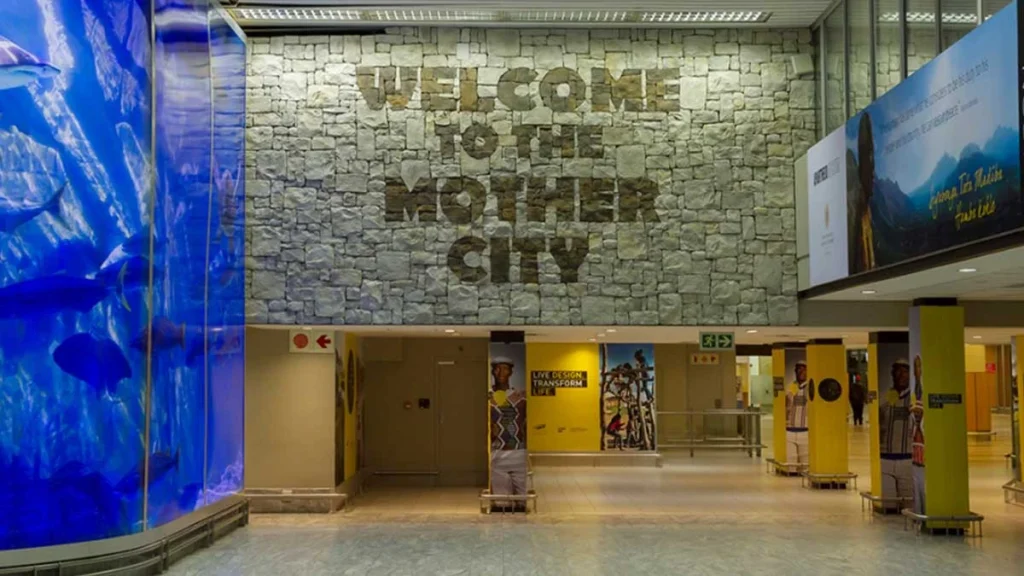
Unable to let the question rest, I soon found myself in conversation with my cab driver, an elderly gentleman speaking English with a distinct Afrikaans accent. Cape Town, he explained, is the oldest city in South Africa. Founded in 1652 by the Dutch East India Company as a refreshment station for ships sailing to the East, it became the first European settlement in the country. This foundational role gave rise to its title the Mother City, from which other South African cities were born.
Global Recognition and Awards
Cape Town is indeed a city of intrigue, and it’s no wonder it was named the Most Beautiful City in the World in 2025 by Time Out’s annual global survey. The ranking was based on input from over 18,000 respondents who rated cities on food, culture, accessibility and overall ambiance. The Telegraph also named Cape Town the Best City on Earth in its 2025 Travel Awards, based on feedback from over 20,000 readers. Remarkably, Cape Town has topped this list every year for the past 11 years.
Visionary Urban Planning Behind Cape Town’s Success
This global recognition is not by chance. What visitors experience in Cape Town is a result of structured urban planning and vision. The city is implementing the 2022- 2027 Integrated Development Plan (IDP) – a five-year strategic blueprint aimed at building a more inclusive, safe, and sustainable city. It targets improvements in informal settlements, economic growth, urban mobility, addresses climate change and promotes good governance.
Economically, Cape Town is one of South Africa’s key powerhouses. Its economy is diverse, with strong sectors including finance, real estate, tourism, agriculture, and manufacturing. Tourism remains one of Cape Town’s greatest strengths. It’s difficult to describe the Mother City without invoking its almost mythic charm.
Iconic Landmarks and Attractions
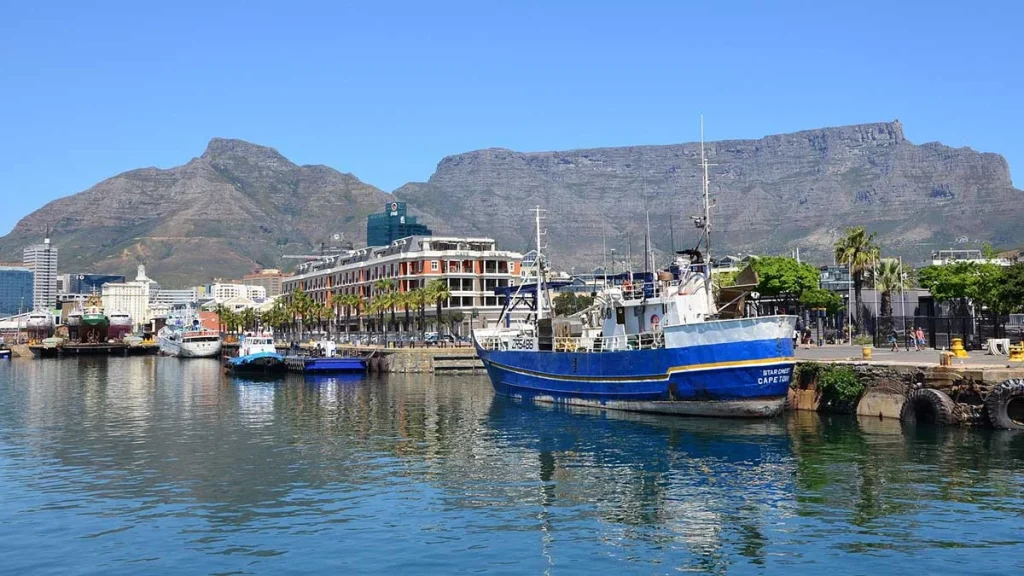
From the vibrant bustle of the Victoria & Alfred Waterfront, one can gaze at the dramatic panorama of Table Mountain, its craggy and rugged peak partly covered in clouds. Below, the Atlantic Ocean stretches like a sheet of glass, dotted with elegant boats swaying gently in the breeze.
Skyscrapers rise at the mountain’s feet, blending nature and urban life in a visual harmony. Other attractions include Robben Island, where Mandela spent 18 years of his imprisonment, and the Cape Winelands, a must-visit for wine enthusiasts.
A Melting Pot of Cultures and Complexities
Cape Town is a melting pot of civilizations. It bears the historical imprints of Dutch, British, Malay, and African heritage- yet it is not without complexity. Some critics point out that the city still reflects remnants of apartheid-era inequality.
The city’s estimated 5.1 million residents are racially diverse: about 42.4 percent identify as Colored, 38.6 percent as Black African, and 15.7 percent as White.
Challenges Facing the Mother City
Amid its beauty, the city faces challenges, including a housing crisis. Informal settlements visible on the highway from the airport are stark reminders of this issue. Fortunately, the city’s IDP includes initiatives to boost affordable housing through public-private partnerships.
What Kenya Can Learn From Cape Town
Can Kenya draw lessons from the Mother City? Do we have real, implementable strategic plans for our urban centers such as Nairobi or Mombasa?
Take Mombasa, for instance. It shares striking similarities with Cape Town: coastal allure, cultural depth and strategic port infrastructure. Yet Cape Town has positioned itself as a premium global tourism destination, while Mombasa has lagged behind in that regard. In 2024. Cape Town International Airport recorded 10.4 million passengers – 3 million of them international arrivals
There is no structural reason why Mombasa can’t achieve similar results. What’s missing is visionary, coordinated leadership and destination marketing and most critically, consistent execution of existing plans.
Conclusion
Kenya may have strategic documents but strategy without execution remains a mere pipedream. What is needed is bold, focused leadership that sees cities not just as administrative units, but as engines of national development and global engagement.